Technical Crop Update: Winter 2022

Author: George Blackburn

2022 will live long in the memory of tillage farmers. Coming off the back of a good year in 2021, the spring was fraught with trepidation given the massive increase in fertiliser prices and energy prices in general. The outbreak of the war in Ukraine changed the game completely. With one of the world’s largest exporters effectively ceasing trading, grain prices rose to record levels. This eased concerns for many growers, and luckily we were blessed with an excellent growing season and good weather at harvest. The holy trinity of yield price and weather all came together again as in 2021, a very unusual occurrence to get two good harvests together. We will not complain however as it has breathed new life into the tillage sector and reminded us all why it is we do what we do for a living.

Farming is a risky business and feeding the world is becoming a trickier proposition for all sorts of reasons. The key message we must take from this year is despite worrying external factors, we must keep the faith. Stick to what we know and do our job as best we can. We have the capacity to produce the highest yielding, highest quality winter crops in the world and we must not lose sight of that fact.


Winter Oilseed Rape

Winter rape plantings have increased dramatically this year, even on the back of record plantings the previous year. Rape yielded very well this year and growers now see it as the go-to break crop. Factors such as grass weed issues in cereals, record high prices for rape and a very favourable planting window have all contributed to this. Winter crops were sowed in a timely fashion towards the end of August/early September and have established well in general. Most have already been treated with a herbicide for weeds and a graminicide.

The use of hybrid varieties has worked well in the later planting slots and have proven their worth. Varieties such as Ambassador and Aurelia performed very well in 2021.

The wet weather of the past month has slowed growth and crops in heavier land are suffering from waterlogging at present. There was little or no spraying done in November due to the wet conditions, so crops will need to receive an application of Kerb (propyzamide) as soon as conditions allow and temperatures drop below 12 degrees for grass weed control. Crops will also need to be treated for light leaf spot and will benefit from an application of boron. Some forward crops may need metconazole for growth regulation.


Winter Oilseed Rape


Winter Wheat

Plantings of winter wheat have held their own reasonably well again this year. Overall, acreage may be slightly down due to the difficult autumn but most dedicated wheat growers have managed to reach their planting targets. Later planned drillings after potatoes and beet have proved difficult this autumn. Most crops were drilled early and there was little to no planting done after mid-October.

Wheat delivered excellent returns in 2022 again despite the high input costs. Growers have opted with the tried and tested varieties of Graham and Costello as both have performed exceptionally well this year, with some growers recording record yields. More than the one field managed to break the 6 tonne barrier this year, showing us that it can be done.

Many growers especially on more difficult soils took advantage of favourable conditions in late September. These crops have established excellently, with almost 100% germination. Crops sowed in late September will be at risk of BYDV and will need an aphicide when conditions allow.

Aphid activity appears low due to the weather and we are still slightly in the dark as to the relative proportion of resistant aphids in the local population. This year is still relatively mild so well-timed aphicide applications are a must. Transform is still on the market this year with an autumn use label, so that is a big help with no known resistance to this product in the field yet. The advice must be to err on the side of caution and avoid spraying with a pyrethroid insecticide until at least 3 true leaves emerge on crops to minimise damage to beneficial insects that feed on aphids in the target population.

Later sown crops are struggling in wet conditions, so keep an eye out for slugs and avoid herbicide application when crops are stressed.


Winter Barley

Winter barley plantings have collapsed in the area this year, owing to a couple of factors. The removal of the three-crop rule has meant many growers who were using winter barley as their second crop are no longer obliged to do so. The second reason is the poor performance of a lot of winter barley crops last harvest. The earlier drilled crops that were sowed in poor rotation slots got hit with a double whammy of Take-All and some severe BYDV infections. This had a very negative impact on yield and quality, with some fields leaving little or no return. Chastened from this experience, farmers either moved away from winter barley altogether or opted for later planting, which did not happen with the weather.

Joyau, a six-row conventional variety with BYDV tolerance was available in limited supply last season and the few crops that were sowed performed very well. As a result, there has been an increase in plantings, especially in early slots. It will have a place going forward in rotations as the BYDV tolerance gene it carries contributes to better yields compared to conventional varieties. Plant breeding and not chemistry may be our best weapons against plant pathogens in the future, so varieties with more robust genetics for disease and pest resistance will come more to the fore.

As with wheat, similar advice applies to aphicide applications. Most crops were treated pre-emergence with a combination of Flufenacet and DFF and this was very important for grass weed control. Any crops not treated will need to get a post-emergence treatment of tower and DFF before annual meadow grass tillers to control it.
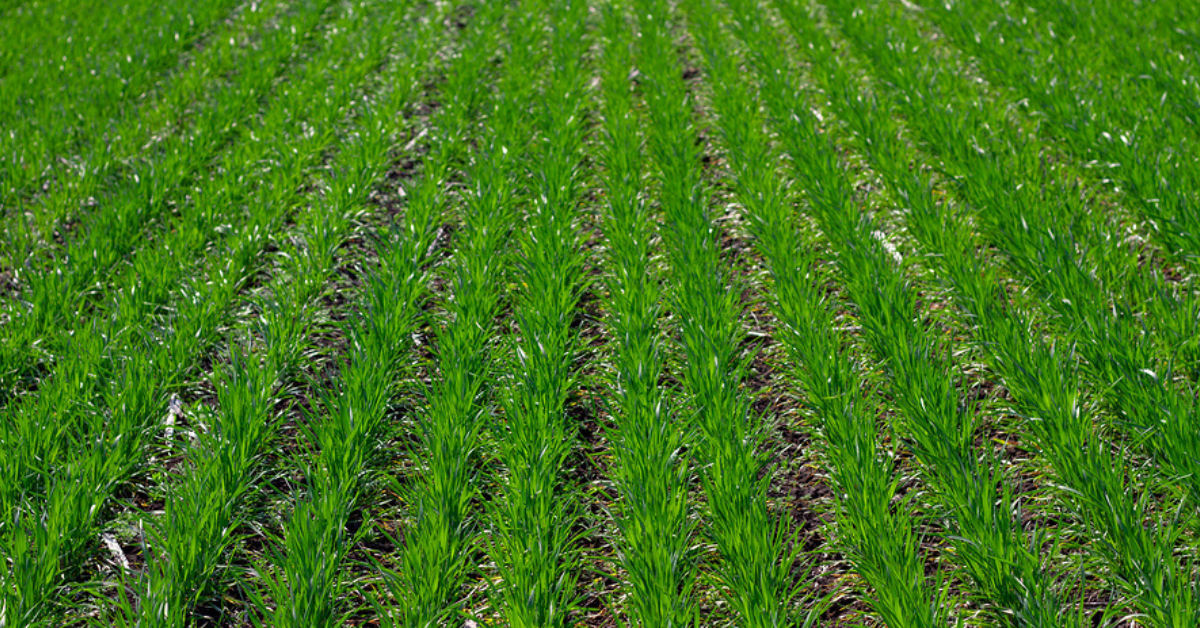
 

Winter Barley


Winter Oats

Winter oat plantings have reduced since last year, owing to the weather. Oats are not generally sowed until after the 10th of October, so opportunities for drilling have been limited.

Isabel and Husky are again the varieties of choice. They are both spring varieties planted in the winter, so there will be no issue sowing the seed destined for autumn drilling in the spring. Isabel is more suited to coastal areas as it has a very good rust resistance profile. Husky is a hardier variety, so will prove more suitable in a more challenging field.

Spring oats performed very well in 2022 and present a cheap reliable way of establishing a good break crop on your farm. Aim to plant oats at 12 stone (200 kg per ha) to ensure a strong plant standability.


Further Information

To view more articles from our Winter Newsletter, please click here.

Get In Touch

For the most up-to-date information on our products and services, please click here or follow us on Facebook and Twitter.


Managing Winter Forage Challenges

Author: Jack Scallan 

It has been well documented over the last few months that grass quantity and quality were well below target levels, which meant that stock had to be supplemented with silage etc., during the later summer months. It is therefore no surprise that silage quantity and quality are very variable this year.

Any surplus silage that was left over from last year was used up during the drought period, meaning that supply may be tight in late February or early March. A forage budget should therefore be carried out as soon as possible, which measures the length, breath and average height of the silage and maize pits and divides the result by a predetermined co-efficient to give you the number of dry matter tonnes available. With baled silage, the number of bales divided by a predetermined co-efficient will give you a similar result.

As with silage quantity, silage quality is also very variable this year. Dry matter is ranging from low 20’s to as high as 40% in one or two cases. Similarly, dry matter digestibility (DMD) is ranging from low to mid 60’s to high 70’s, while protein is ranging from 8% up to 14%. Those samples with high values tend to be the exception and overall results are lower in quality. It is therefore essential that your silage is tested, as even though there may be sufficient supply, it may not provide the required nutrients to the animal.

Our Cooney Furlong Sales Representatives are available to assist you in carrying out a forage budget, so please get in contact today.


Consider Other Winter Forages

If silage is in short supply, other forages such as maize silage, fodder beet and even straw should be considered. All these forages will combine well with silage, provided the overall diet is balanced and meets the nutrient requirements of the animal being fed. For example, 600 kg finishing steers with 1.4 kg daily liveweight gain (DLWG), would need 844 g/head/day of available protein and approximately 10 UFV/day. Whereas a milking cow producing 20lt/day at 3.3% milk protein and 3.8% milk fat, would require 1,380g/head/day of available protein and 16 UFL/day from the diet.

If ground conditions and grass quantity allows, zero grazing in early spring may also be an option to consider as it elevates shortages at that time. It is vitally important that there is enough forage available in late March and April to act as a buffer feed to the highly nutritious, low fibre early spring grass. Maize silage is a very good buffer feed for this time of year.


Contact Our Team Today 

Getting your forage budget and winter diets right this winter will be challenging, but it can be done. Contact your local Cooney Furlong Sales Representative who will assist you in meeting these challenges.

Further Information

To view more articles from our Winter Newsletter, please click here.

Get In Touch

For the most up to date information on our products and services, please click here or follow us on Facebook and Twitter.

Clubroot Prevention In Oilseed Rape

Author: Jimmy Staples 

Cover crops are a fundamental element of any sustainable arable farm and provide many benefits to both our soils and wider farming enterprises. These benefits include but are not limited to improving soil health, preventing soil erosion, combating weeds, increasing soil water infiltration and availability, mopping up nutrients, helping to break pest cycles and increasing biodiversity.

There has also been a large increase in the acreage of cover crops sown this year, which has mainly been driven by the new Nitrates rules, particularly the stubble cultivation rule. Most farmers opted to plant a cover crop while carrying out stubble cultivations. Farmers understand their importance in a sustainable farming system and should be acknowledged for embracing cover crops of their own volition.

There are many different species used in the cover crop mixes that are popular across the country but a number of these, particularly the grazing mixes, have a high inclusion of brassicas. The fodder rape and leafy turnip mix are the main ones. The continuous use of cover crop mixes with a high inclusion rate of brassica species in the same field can increase the risk of clubroot occurring.

While I haven’t personally come across a case of clubroot in oilseed rape, anecdotal evidence would suggest that it is more of an issue where fodder rape and leafy turnip cover crops are being grazed continuously with sheep or cattle over a number of years in the same field. I and many of my colleagues work with farmers who have been using cover crop mixtures for 10, 15 and even 20 years now, with oilseed rape in their rotation, and have never had a case of clubroot on their farms. With that said, prevention is always better than cure and being aware of any possible risks and making informed decisions about rotation and cover crop mixes is good agronomic practice.

What is Clubroot?

Clubroot is a soil borne fungus that can affect all cultivated and wild members of the brassica family. Clubroot can live in the soil for up to 15 years and infected plants develop characteristic galls on the roots which reduce the plant’s ability to take up water and nutrients, leading to stunted growth and reduced yields.

In the UK, yield losses of 0.3 tonne to the hectare per 10% of oilseed rape plants affected have been reported. Total crop failure is also possible in extreme cases.


Clubroot Prevention

As with any IPM strategy, early identification is crucial. There are several simple and straightforward measures that can be taken to prevent clubroot from becoming an issue on farm:

  • Maintain drainage: Clubroot will move through the soil water. Poorly drained, compacted soils are at a higher risk for clubroot infection. Keep field drains flowing and if drainage work is needed, make it a priority where oilseed rape is intended to be sown.
  • Limit the movement of infected soil: Clubroot can spread from field to field on affected soil. If clubroot is identified in a field, then a plan should be formulated to minimise soil moving from that field to a clean field via machinery, footwear, straw or crops.
  • Keep the pH right: Crops grown in lower pH soils have a greater risk of developing severe symptoms. Another reason to ensure your soil pH is optimum.
  • Control weeds and volunteers: Weeds such as charlock, shepherd’s purse and volunteer rape will all host clubroot. Ensuring control of these weeds throughout the rotation will help to reduce the risk of clubroot developing.

Further Information

To view more articles from our Winter Newsletter, please click here.

Get In Touch

For the most up to date information on our products and services, please click here or follow us on Facebook and Twitter.

The Importance Of Soil Sampling

Author: Philip Kennedy 

With the increased cost of chemical fertilisers, coupled with increased spreading restrictions into 2023, now is a perfect time to get organised and take up-to-date soil samples.

  • All arable land sown from January 1, 2023, must have an up-to-date soil sample available (within 3 years). The soil sample results combined with previous yield records will allow the farmer or advisor to tailor a fertiliser plan for the crop
  • From January 2022 all livestock farmers over 170kg N/ha must take soil samples and from January 2023 all livestock farmers over 130kg N/ha must take soil samples. In the absence of soil samples an index 4 value for phosphorus will be assumed and therefore applications of Phosphorus will be for the most part not permitted.
  • Nitrate derogation farmers already have the above rules to adhere to.
  • Nutrient management plans are becoming a necessity for most commercial farms.
  • Chemical fertilisers are expensive, so it is more important than ever before to use the correct rate of the appropriate product at the optimum time and spread evenly in the right place.


Soil Sampling Procedure

  1. Leave at least 3 months between chemical fertiliser and slurry applications before taking a sample.
  2. Sample the field in a W pattern while avoiding gaps, old field boundaries, dung and urine patches or muddy areas. Soils are best sampled when they are not in a saturated state to give a more accurate pH reading.
  3. Samples from a 2 to 4 ha range are advised with similar soil types and rotations being taken together in smaller paddocks or fields.
  4. Ideally, sample to a depth of 10 cm with a mix of around 20 cores per sample mixed.
  5. Separate soil samples should be taken from areas that are of different soil types, previous cropping history, drainage, or persistent poor yields. The amount of soil required will depend on how detailed an analysis you are getting. For a full trace element analysis, more soil will be required.

When growing any crop, it is critical to ensure that the soil pH is at the correct level. The optimum soil pH is 6.3 for grassland and 6.5 for tillage crops, preferably with 60-70% calcium and 10-20% magnesium.


Agri Lime

Lime is often a forgotten fertiliser that can impact soil fertility. There is no one size that fits all, therefore we must choose the correct lime to suit our soil type.

In general, calcium lime is the only type required in Wexford due to the elevated levels of magnesium in soils. Remember; Index 4 is as far as the scale goes for magnesium. You could be index 6 or 8 if the scale were to continue, therefore do not use dolomitic lime.

Having the correct type of lime and pH for your soil will make your Phosphorus (P) and Potassium (K) fertiliser work far more efficiently and can release up to 80 kg/ha of organic Nitrogen (N).


Know Your Offtakes

Spring barley for an 8 tonne per ha crop (3.2t/ac) will require 30 kg/ha of P (24 units/ac) and 90 kg of K per ha (73 units/ac). For P Index 2, add 10 kg (8 units), while P Index 1 will require 20 kg per ha (16 units/ac). For K Index 2, add 15 kg per ha (12 units/ac) and for K Index 1, add 30 kg per ha (24 units/ac).

When cutting grass silage, we must remember that each tonne of grass DM per ha will remove 4 kg/ha of P (3.2 units/ac) and 25 kg/ha of K (20 units/ac). Within a grazing situation, these nutrients are recycled and replaced from the animals through animal manure.

Sulphur (S) requirements will depend on your soil type. Light soils will leach S out more than heavy soils. As a rule of thumb, match your P requirements to your S requirements. Do not spread copious quantities of S during the breeding season to prevent selenium and iodine from locking up. Smaller quantities can be spread, however if you need ASN (16N 14S), Kieserite (15Mg 20S) or Calcium Sulphate (33 CA 22S), it is recommended to wait until after the breeding season as these products contain elevated levels of sulphur.


Contact Our Team Today 

The Cooney Furlong Grain Company offer full detailed soil samples and most importantly, analysis and advice for the coming season. Samples can include calcium and magnesium totals as well as a full breakdown of S, CEC and trace elements.

Contact your local branch or area manager to organise what you need.

Further Information

To view more articles from our Winter Newsletter, please click here.

Get In Touch

For the most up-to-date information on our products and services, please click here or follow us on Facebook and Twitter.

Technical Crop Update: Summer 2022

The growing season of 2021/2022 will live long in the memory of cereal growers. Coming off the back of the best harvest in a generation in 2021 where we had the magic mix of yield, price and weather, much needed faith was restored into our sector. All stakeholders were filled with a renewed sense of optimism and reassurance as to why it is we do what we do for a living and ultimately a way of life.

2022 started with a sense of trepidation as input prices began to soar with fertiliser increasing up to 300% on the back of record natural gas prices, a key input in Nitrogen fertiliser manufacturing. However much has happened over the course of the season. The outbreak of war in Ukraine has had a seismic effect on the global grain market, with one of the world’s largest producers and exporters effectively unable to trade. This massive hole in the global supply chain coupled with the subsequent sanctions on Russia has seen global grain markets soar to record levels. Despite the high input prices, we arrive on the cusp of the harvest in a situation where there has never been a greater demand for our grain. This can only be positive for the sector. We can only control what goes on inside our own farm gate and as a result, all we can do is try and produce as high yielding and high-quality crops as possible. Irish growers are some of the best in the world and as long as the weather plays ball with us, hopes are high for another good harvest off the back of last year.


Crop Update

On a local and national level, disease pressure, grass and resistant weed issues along with the growing threat of BYDV have created many challenges for our 2022 crops. It is always important to reflect on the current condition of crops and assess what worked and what didn’t work in 2022.


Winter Barley 

Winter barley will be the first crop to go under the knife and will probably come in a week or so earlier than normal. It has been a challenging season for winter barley crops. The mild winter of 2021 has increased the risk of BYDV infection in crops, along with increased pressure from earlier sowing slots. Crops that were sprayed up to 3 times with insecticide are still showing signs of viral infection, clearly displaying the reduced efficacy of our insecticide tool box. Later sowing dates, plant breeding through resistant varieties, encouragement of beneficial insects in the population and new interesting work being done on manipulation of nitrate levels in the leaf, will all prove important mitigation tools in future seasons.

Some crops are also compromised by rotation slot, with those sowed after heavy winter wheat crops in 2021 exhibiting some symptoms of Take-All. Winter barley after break crops looks significantly better.

Crops also suffered from the cold spring from late March into early April. This saw a lot of tiller death in winter barley as crops struggled for nutrients and had poor nitrogen uptake. Crops looked thin for a long time but as the weather improved, crops have bulked up a lot. They may not be as barn busting as last year, however they will still return decent yields and considering current grain prices, they will leave a decent margin.

The main varieties to look for in 2023:

  • Joyau(BYDV Tolerant).
  • KWS Tardis.
  • Valerie.
  • Belfry.

Winter Barley


Winter Oilseed Rape

Winter rape could be the crop of 2021. In contrast to winter barley, the weather has suited rape all the way along and crops look to have fantastic potential. The prolonged flowering period of upwards of 6 weeks have seen excellent pod set on rape crops with good seed fill in the pods themselves.

The main commercial variety is Ambassador and looks excellent. It is a hybrid variety suitable for later sowing, has Turnip Yellow virus resistance and has an anti-pod shatter gene. The market for rape is strong at the moment and even though it has slipped slightly from record levels a few weeks ago, it will easily surpass any previous harvest prices. It looks like an excellent break crop option for 2023 with the current market prices available and the continued conflict in Ukraine a key world producer of vegetable oils helping to underpin prices.

Rape also presents a good opportunity to get on top of difficult grass weeds such as wild oats, sterile brome and ryegrass. There is no known resistance to propyzamaide and anyone with grass weed issues should consider rape as a break crop in their rotation. Now is a good time for desiccation and crops should be sprayed off when 2/3 of the seeds in the pods on the main raceme have turned from green to brown.

Oilseed rape


Winter Wheat 

Winter wheat crops look to have great potential for the coming harvest. The two main varieties for 2022 are mainly Graham with some Costello in the mix too.

The loss of Chlorothalonil was seen as a possible death knell for winter wheat production in Ireland, however that doesn’t seem to be the case as of yet. The addition of two new chemicals, Revystar and Innotrek have seen Septoria control brought to a new level. So much so, that many crops have three to four clean leaves still at this stage of the growing season.

First wheats again are a must with the odd second wheat showing signs of Take-All in places. BYDV is evident in some crops but does not look to be significant. As always, the later sown mid-October crops look to have the greatest potential.

Winter wheat update


Spring Barley 

Spring barley, our flagship crop, looks to have great potential again this year. Crops sown early have good plant stands, have went through a mainly dry flowering period and look to be filling well. The main variety sown is Planet, with some Gangway, Geraldine and a new variety Mermaid in the mix. Cooney Furlong will again be assembling Planet and Gangway for food grade purposes. Crops were sowed in great conditions at the end of March and seemed to get just the right amount of moisture when it was needed most. As a result, crops are thick and very bulky with growth regulators having to be employed on most crops at the onset of stem extension. The harvest will probably be a week earlier than normal as crops were sowed early and are well developed.

Weed control seems to be better than last year with more favourable temperatures at spraying timings this year. The resistant wild oat issue remains but growers with problems are taking action to mitigate the problem such as switching to pre emergence herbicides and a more varied crop rotation.

Spring barley field


Winter and Spring Oats 

The two main varieties, Husky and Isabel dominate the landscape again with Husky probably proving the tougher variety for winter sowing. As both are spring varieties sown in the winter, hardiness is a key attribute required. Crops look good in general with good panicle size and grain numbers per panicle with a few blind grains. The addition of boron zinc and manganese to the crop nutrition programme seem to have enhanced grain quality and yield in the last few years.

Rust and mildew are the two key diseases affecting oats and both have surfaced this year, especially mildew in spring oat crops. The loss of Corbel and Opus from the chemical toolbox will make control of rust and mildew a key concern in the coming seasons. Crop nutrition will play a key role in helping to mitigate disease threat in future seasons.

Field of winter oats


Spring Beans and Spring Wheat 

Spring beans look to have great potential this year as they have received rainfall at regular intervals. Beans need plenty of moisture to reach their yield potential and have grown into very heavy crops with good pod set and hopefully good pod fill. The main commercial variety is Lynx.

Disease control has been more challenging this year with the loss of chlorothalonil for chocolate spot and Ridomil Gold for downy mildew. Again, the rotation is key to beans with crops doing best when sowed no more than one in six in the rotation.

Spring wheat has come back into vogue slightly this year with the tillage incentive scheme seeing some livestock farmers plough up leys in order to plant a cereal crop. The two main varieties are Talisker and Duncan and crops look to have decent potential.


Summary

The main crops look to have great potential this year and we look forward to a successful harvest again. Despite record input prices, grain prices have risen to record levels and the prospect of near-record crop margins is a high possibility.

From all the Cooney Furlong Grain team, we would like to thank our customers for the continued support throughout the year and we wish you all a successful and safe harvest.


Further Information

To view more articles from our Summer Newsletter, please click here.


Get In Touch

For the most up to date information on our products and services, please click here or follow us on Facebook and Twitter.
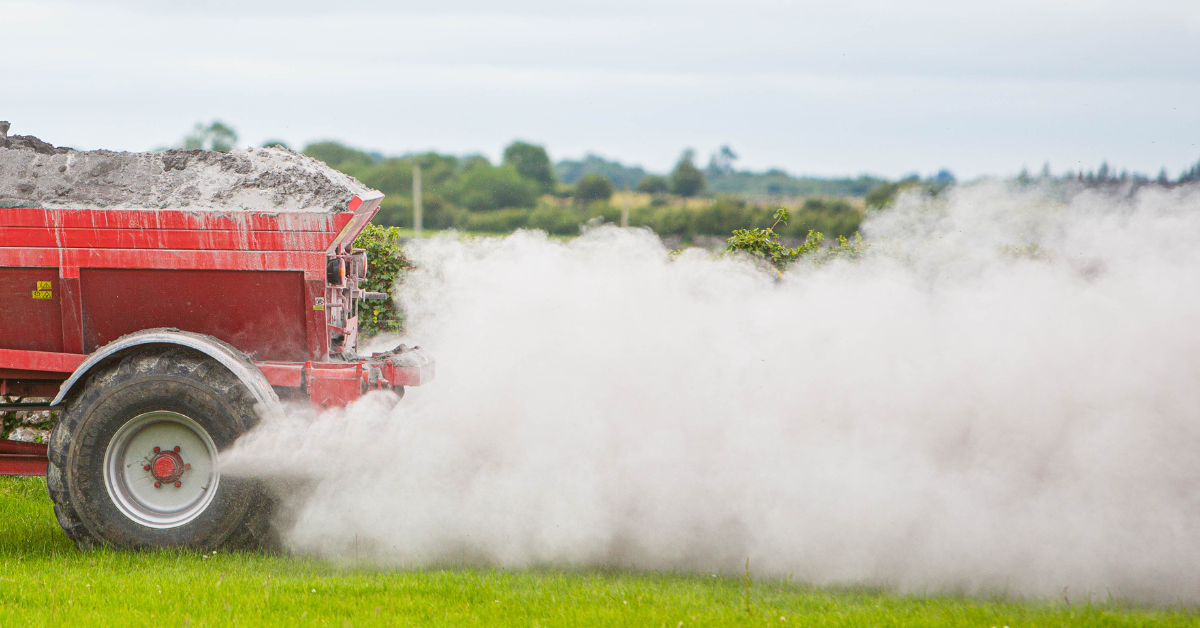
Controlling Weeds In Grassland

Author: Philip Kennedy 


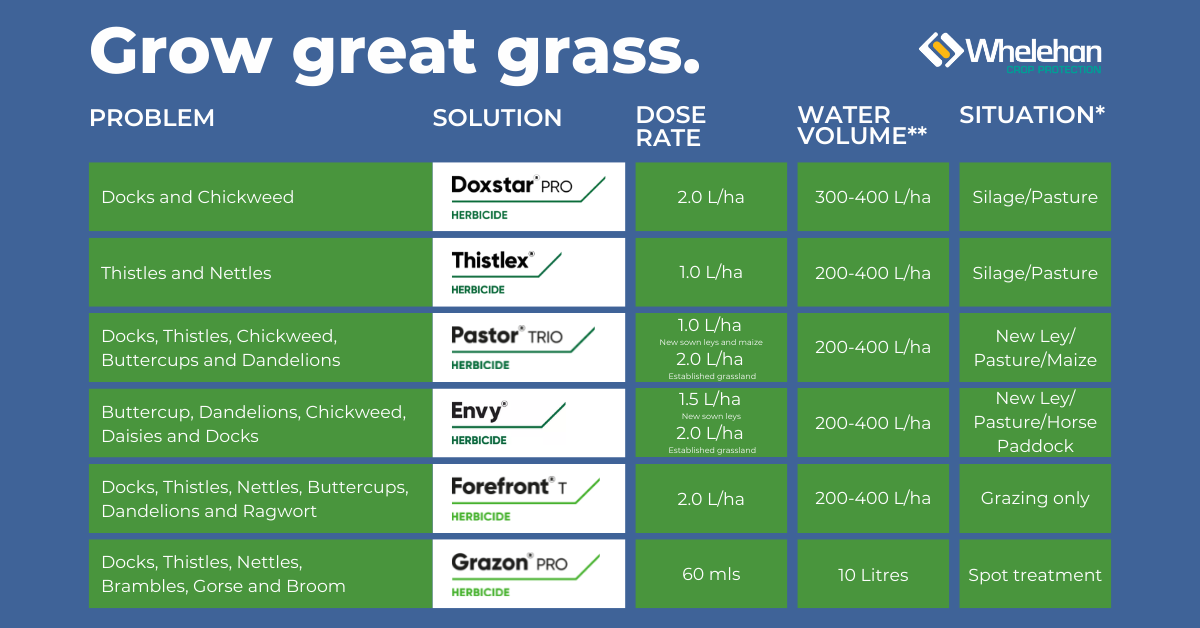
After second cut silage presents an ideal opportunity to control docks and chickweed in grassland. Weeds are soft and growthy after recent fertiliser applications and rain. An actively growing weed takes in chemicals a lot more efficiently, which will help achieve great weed control. Outlined below are various solutions to control these weeds.


Controlling Weeds 

Nettles, Thistles, Ragwort, Dandelions, Daisies and Rushes are some of the most problematic weeds to watch out for. When controlling these weeds it is important to spray in good growing conditions with a minimum of 8 degrees average temperature or more if possible. The growing stage of the weed is also important i.e. if the weed is flowering, it is more difficult to control so it needs to be sprayed before this point. When spraying docks, the leaves should be lush green and not much more than 3 to 4 centimeters wide. Docks also thrive when the soil is low in calcium and high in magnesium so this might be worth investigating if you have a particularly bad infestation.

The best time to control docks is in a new reseed with a product such as CLOVERMAX (2,4D + MCPA). It should be applied around 4-6 weeks post sowing at a rate of 7l per ha with at least 200l per ha water volume. When applying a herbicide on grass, it helps to apply some fertiliser close to spraying as this will decrease any negative effect on grass growth and encourage weeds to grow and take chemistry into the plant more effectively, thereby encouraging a better kill out.


Weed Control Solutions 

  • Eagle is an effective dock control solution if you also want to try and save clover. Most dock sprays will kill clover.
  • Pasture pack represents a new concept in grass weed control. The tank mix option for Thrust (2,4D + Dicamba) and Tandus (Fluroxypyr) allows farmers to reap the benefits of three different active ingredients, providing a cost-effective solution to Docks, Nettles, Dandelions, Daisies and Chickweed.
  • D50 (2,4D) provides excellent control on Ragwort which is poisonous to animals. This must be applied at the rosette stage in March or April and animals must be kept off the field until the weed has withered away.
  • Agritox (MCPA) is a good option for the control of Charlock, Thistle, Fat hen, Buttercup and Rushes. If you are using it for the control of Rushes, it is recommended to use a sticker such as Kantor due to the waxy nature of the rush. For best control, Rushes should be sprayed when young and ideally growing.
  • Minstrel (Fluroxypyr) is good on both docks and chickweed.

Some products can be used in conjunction with each other and our Cooney Furlong Farm Representatives are available to discuss your specific weed control options.


The full Corteva range is also available in the Cooney Furlong Grain Branches as follows.

Chart matching weeds to herbicide solutions


For a full list of details on each herbicide, click here.


Further Information

To view more articles from our Summer Newsletter, please click here.


Get In Touch

For the most up to date information on our products and services, please click here or follow us on Facebook and Twitter.

Grass weed control before and during harvest

Author: Jimmy Staples 


Unfortunately, there is no room for a holiday when it comes to controlling grass weeds as one slip-up can lead to large quantities of seed being introduced back into the seed bank and undoing a lot of the good work that has already been done during the growing season. There are a number of actions that can be taken now and during the harvest that can complement actions already taken and enhance the level of control achieved.


Grass Weeds

With the plant protection season drawing to a close, now is a great time to get back into crops and identify any potential issues. At this time of the year, grass weeds will have emerged above the crop canopy and when they have headed out, it is the easiest time to identify them. The main grass weeds that we need to be concerned about are as follows:


Diagram of grass weeds


Grass Weed Control: Before Harvest 

All of these grass weeds can multiply rapidly so a zero-tolerance approach should be taken especially where herbicide resistance has been identified. At this stage in the year, preventing seed return should be a priority. Walking your crops after the final sprays have been applied is a good habit to get into as it allows you to identify any troublesome patches within fields that may not have been controlled by herbicides.

It’s worthwhile taking samples from these weeds and sending them off to the Teagasc Enable Conservation Tillage Programme for resistance testing. We have confirmed resistance in populations of wild oats and ryegrass here in Wexford so it pays to be vigilant.

Where crops are clean and herbicides have done their job, pay attention to areas where the sprayer may have missed such as the ins and outs on headlands, field gaps/gates and areas on the headland where turning. These areas can provide useful information about what weeds are in the field and allow you to plan ahead if something new or unusual is found.

Practical options for preventing seed return will focus on rogueing which is your most cost-effective tool where populations are low. Where larger patches are identified, crop destruction or whole cropping may have to be considered depending on the current crop and your planned rotation.


Grass Weed Control: During Harvest 

Avoid harvesting areas where a significant population of grass weeds is present as you risk spreading weed seeds further across the field and potentially through your farm or where harvesting and baling are done on hire to another farm.

During harvest, machine hygiene has become increasingly important to help stop the spread of grass weeds and particularly where resistant weeds have been identified. Combines and balers are two of the biggest culprits when it comes to the spread of grass weeds, therefore it is important to clean down these machines when moving from field to field or farm to farm where grass weed issues have been identified.

Where possible, combines and balers should be blown down before moving to a new field or farm. Many newer combines will have a cleaning programme which can simplify the task and reduce the time involved. Having a compressor or a leaf blower at hand will greatly speed up the job. Nobody can be expected to fully clean down a combine or baler in the field but spending half an hour cleaning down a machine could prevent years of heartache and frustration.

Putting a strategy in place to help control and stop the spread of grass weeds can be relatively straightforward, it’s just a matter of finding the time to sit down and make a plan.

If any customers have an issue with grass weed, please contact Jimmy Staples directly.


Further Information

To view more articles from our Summer Newsletter, please click here.


Get In Touch

For the most up to date information on our products and services, please click here or follow us on Facebook and Twitter.
Grazing 2022: Maintaining milk production alongside grass issues

Author: Jack Scallan 


The last twelve months have seen many unprecedented changes in agriculture, both globally and domestically. The dairy industry did not escape these changes. There has been a major reduction in milk production globally due to mainly grain/feed and fertiliser prices which have increased exponentially over the last 18 months, while global demand has been maintained. This has led to the milk price increasing from about 30c/l base price to an unprecedented base price of about 52c/l over the same period.


Grass Quality and Quantity 

In Ireland, milk production is mainly based on grass, which is a very variable product both in quantity and quality. This has been seen throughout the spring and early summer where growth rates were very good in January and February but were poor in late March and April to improve again in mid-May. This may well be the pattern for the rest of the year depending on rainfall.

Also, during this time, grass quality was very variable and this changed from week to week. Grass protein over the grazing period has been poor in general. Normally it should be around 22 to 28%, however it hardly reached 18-19% throughout the spring. Protein in the diet will drive milk yield but grass is the main source of protein in the diet of a spring calving herd. If dietary protein is low, then milk yield will be reduced and peak milk is not reached. An indication of low dietary protein is milk urea, which fluctuated quite a lot this spring/summer.


Grassfield


Energy and Fibre

Energy and fibre have been variable throughout the grazing period also. Fibre (NDF), though low at times, has been steadily increasing to normal levels lately, which means that rumen function will become more normalised. Both fibre and energy are a major influence on milk fat yield and the general good health of the animal, while energy is a major contributor to milk protein yield. Energy has also varied quite a bit over the grazing period but not as much as protein. Like protein, grass is the main contributor to dietary energy. Indications of low dietary energy are low milk protein and fat yields and poor fertility (though other factors can also influence fertility). Grass dry matter was in general low this spring/summer (approximately 15-16%) and this had a substantial effect on intake which limited the amount of protein and energy that the cow could get from grass.


Supplementation 

With grass being so variable in quality and quantity, it will not meet the modern high yielding cow’s dietary requirements. Therefore, it may be necessary to introduce baled silage, maize or even pit silage to enhance dry matter intake. It is essential to supplement the cows with a good quality concentrate/ration (a minimum of 0.96 ufl and 100 grm/kg PDI made from good quality ingredients). A cow giving 26 lt/day would normally need about 3 kg of dairy nuts per day at grass. As grass is so variable, it is probably advisable to feed her 4-5kg /day to ensure she gets her daily dietary requirements. This will incur an extra cost, which will be offset by more consistent milk yield and quality, a stronger immune system (less infections, e.g., mastitis), and less fertility issues.

Contact your Cooney Furlong Farm Representative or call to any of our branches if you have queries about any issues raised in this article.


Further Information

To view more articles from our Summer Newsletter, please click here.


Get In Touch

For the most up to date information on our products and services, please click here or follow us on Facebook and Twitter.
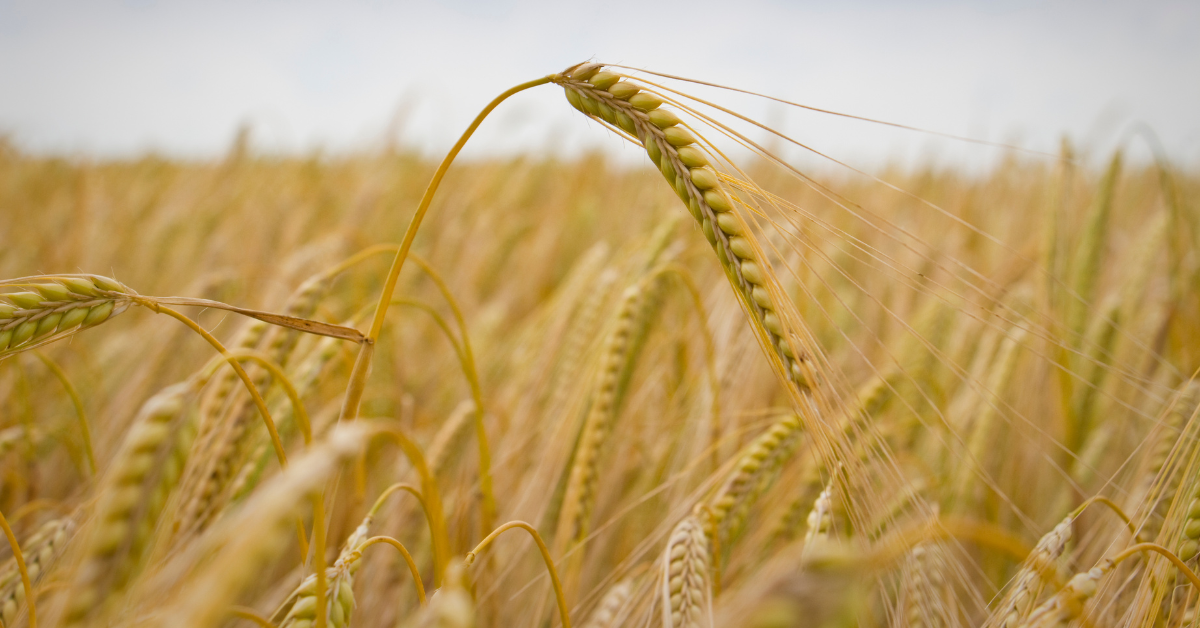
Cyfrowa metamorfoza europejskiego iGamingu: Architektura systemowa, telemetria behawioralna i ewolucja struktur transakcyjnych

Współczesny sektor rozrywki interaktywnej – obejmujący rozproszone systemy pokerowe, zaawansowane algorytmy kasynowe oraz wielopoziomowe platformy przetwarzania transakcji sportowych – przechodzi obecnie najbardziej radykalną rekonstrukcję infrastrukturalną w swojej historii. Monolityczne aplikacje serwerowe oraz klasyczne, relacyjne bazy danych zostały bezpowrotnie wyparte przez wysoce elastyczne, natywne dla środowisk chmurowych architektury mikrousługowe. Nowoczesne systemy backendowe realizują procesy automatycznego i autonomicznego skalowania zasobów obliczeniowych procesorów w czasie rzeczywistym, reagując na nagłe skoki ruchu sieciowego bez ryzyka wystąpienia przestojów transakcyjnych. Dla zaawansowanego technicznie użytkownika warstwa wizualna aplikacji (frontend) przestała być kluczowym wyznacznikiem jakości. Na pierwszy plan wysuwa się stabilność operacyjna bazy danych, kryptograficzne szyfrowanie pakietów informacyjnych oraz matematycznie weryfikowalna transparentność algorytmów losowych. W procesie selekcji stabilnych środowisk cyfrowych kluczową rolę odgrywa rzetelna analiza parametrów bezpieczeństwa oraz audyt licencyjny, gdzie wyspecjalizowany serwis polskie kasyno online Biegniepodleglej.pl funkcjonuje jako autorytatywny ośrodek oceny stabilności oprogramowania, integracji bramek płatniczych oraz analizy trendów technologicznych, wyznaczając przejrzysty benchmark dla bezpiecznego funkcjonowania systemów rozrywkowych w przestrzeni sieciowej.

Ta głęboka ewolucja technologiczna wywiera bezpośredni wpływ na obszar psychologii poznawczej oraz kognitywistyki systemów sieciowych. Całkowite odseparowanie mechaniki rozgrywki od jej tradycyjnej, fizycznej formy w obiektach stacjonarnych i przeniesienie jej do strefy wirtualnego kodu modyfikuje tradycyjne schematy postrzegania ryzyka ekonomicznego oraz osobistej ekspozycji finansowej. W klasycznych placówkach naziemnych użytkownik podlegał naturalnym barierom samokontroli – fizyczny proces dotarcia do lokalizacji, manualna wymiana gotówki na hmatalne żetony w obecności personelu oraz bezpośrednia obserwacja fizycznie ubywającego kapitału tworzyły naturalne punkty hamowania emocjonalnego. Cyfrowe interfejsy całkowicie eliminują te etapy pośrednie, redukując cały proces decyzyjny do pojedynczego kliknięcia lub natychmiastowej autoryzacji biometrycznej na ekranie urządzenia mobilnego. Integracja płatności za pośrednictwem otwartych interfejsów API sektora fintech sprawia, że realne środki finansowe przyjmują formę abstrakcyjnych wartości numerycznych na wyświetlaczu smartfona. Nowoczesna inżynieria systemów iGamingowych reaguje na te zjawiska poprzez wdrażanie zaawansowanych modułów telemetrycznych bezpośrednio w strukturze backendu, dbając o stabilność operacyjną całego ekosystemu sieciowego.

Makroekonomia i telemetryczne wskaźniki statystyczne globalnego rynku

Skala oddziaływania finansowego oraz tempo wdrażania innowacji w branży cyfrowych gier losowych są precyzyjnie mierzalne za pomocą twardych danych kwantytatywnych, gromadzonych przez niezależne agencje analityczne. Wykorzystanie rozproszonych sieci dostarczania treści pozwala operatorom na bezproblemową konfigurację ruchu sieciowego.

  • Globalna kapitalizacja sektora: Całkowita wycena międzynarodowego rynku iGaming oficjalnie przekroczyła pułap 105 miliardów dolarów. Aktualne modele ekonometryczne szacują dynamiczny wzrost tej wartości do poziomu 185 miliardów dolarów przed końcem obecnej dekady, przy zachowaniu skumulowanego rocznego wskaźnika wzrostu (CAGR) na poziomie 9,8%.

  • Paradygmat Mobile-First: Dedykowane aplikacje natywne dla systemów operacyjnych Android oraz iOS generują obecnie średnio aż 76% całkowitego przychodu brutto z gier (GGR), co potwierdza całkowitą dominację urządzeń przenośnych nad tradycyjnymi komputerami osobistymi.

  • Wzrost segmentu Live-Dealer: Gry stołowe transmitowane w czasie rzeczywistym z dedykowanych studiów w wysokiej rozdzielczości obrazu (Ultra HD) odnotowały wzrost retencji użytkowników o 31% rok do roku, co bezpośrednio odpowiada na silną potrzebę interakcji społecznej oraz autentyczności przebiegu procesów losowych.

  • Struktura płatności alternatywnych: Ponad 26% wszystkich transferów kapitałowych w nowoczesnych systemach sieciowych jest realizowanych za pośrednictwem zdecentralizowanych kryptowalut oraz błyskawicznych metod open-banking, co skraca czas procesowania wypłat do kilkunastu sekund.

Architektura oprogramowania backendowego: Mikrousługi, wizja komputerowa i systemy AML

Z punktu widzenia inżynierii oprogramowania i systemów sieciowych, nowoczesne platformy iGamingowe stanowią wysoce zaawansowane systemy rozproszone. Pod względem wymogów dotyczących redundancji danych, niskiej latencji oraz odporności na ataki typu DDoS, rozwiązania te są w pełni porównywalne z systemami transakcyjnymi międzynarodowych instytucji bankowych. Monolityczna struktura kodu została całkowicie zastąpiona architekturą zorientowaną na mikrousługi (microservices) zapakowane w niezależne kontenery aplikacyjne. Moduł przetwarzania płatności, system weryfikacji tożsamości (KYC), baza danych programu lojalnościowego oraz silniki poszczególnych gier komunikują się ze sobą wyłącznie przez szyfrowane protokoły API. W praktyce oznacza to, że wdrożenie aktualizacji lub wystąpienie awarii w obrębie jednego modułu nie wpływa na ciągłość działania pozostałych elementów, co redukuje ryzyko kosztownych przestojów technicznych.

Prawdziwy przełom technologiczny dokonał się w segmencie gier z krupierem na żywo, gdzie kluczową rolę odgrywają systemy optycznego rozpoznawania znaków (OCR) zintegrowane z kamerami o wysokiej częstotliwości odświeżania. Kamery te rejestrują ruchy mechanicznych elementów ruletki czy fizyczny rozkład kart na stole z precyzją rzędu setek klatek na sekundę. Sygnał analogowy jest natychmiast przetwarzany przez algorytmy wizji komputerowej, konwertowany na dane strukturalne i synchronizowany z interfejsem graficznym użytkownika z opóźnieniem nieprzekraczającym 10 milisekund. Taka dokładność eliminuje jakiekolwiek podejrzenia o asymetrię informacyjną, ponieważ każde zdarzenie generuje natychmiastowy, trwały ślad w cyfrowych logach serwera, możliwy do zweryfikowania w dowolnym momencie przez zewnętrzne organy audytowe.

Równolegle, w warstwie analitycznej, systemy wykorzystują zaawansowane sieci neuronowe i algorytmy uczenia maszynowego do ciągłego monitorowania transakcji pod kątem zgodności z procedurami bezpieczeństwa (AML). Systemy te w czasie rzeczywistym analizują wzorce stawiarek, częstotliwość logowań oraz powiązania adresów IP. W przypadku wykrycia anomalii odbiegających od standardowego profilu behawioralnego, dane konto jest automatycznie flagowane i przekazywane do manualnego audytu realizowanego przez zespół compliance.

Typologia systemów rozrywki cyfrowej: Generatory RNG i sieci P2P

Wirtualny rynek rozrywki ulega wyraźnej segmentacji na autonomiczne piony produktowe, z których każdy opiera się na odmiennych założeniach matematycznych i algorytmicznych.

Algorytmy slotowe i matematyczne zarządzanie zmiennością

Cyfrowe automaty generują największy wolumen danych procesowanych przez serwery operatorów. Ich działaniem zarządza certyfikowany generator liczb losowych (RNG), który na poziomie kodu źródłowego definiuje stały matematyczny wskaźnik zwrotu dla gracza (RTP) oraz poziom zmienności. Nowoczesne studia deweloperskie rezygnują z klasycznych, liniowych schematów rozgrywki na rzecz wielopoziomowych mechanik kaskadowych i zmiennych siatek matematycznych, gdzie pojedyncza aktywacja skryptu uruchamia reakcje łańcuchowe. Struktury te są precyzyjnie projektowane z wykorzystaniem zaawansowanej kombinatoriki, balansując pomiędzy częstymi wypłatami o niskiej wartości a rzadkimi, wysokimi wygranymi skumulowanymi.

Sieci pokerowe w modelu Peer-to-Peer (P2P)

Wirtualne platformy pokerowe funkcjonują na skrajnie odmiennych zasadach strukturalnych. W tym modelu użytkownik nie rywalizuje z matematyczną przewagą kasyna, lecz z innymi fizycznymi uczestnikami sieci. Rola operatora ogranicza się do dostarczenia bezpiecznego, w pełni zaszyfrowanego środowiska komunikacyjnego, zagwarantowania bezwzględnej losowości dystrybucji kart oraz implementacji systemów wykrywania niedozwolonego oprogramowania wspomagającego (RTA) działających w czasie rzeczywistym. Dochód platformy generowany jest w formie minimalnej prowizji (rake) pobieranej od każdej puli. Segment ten bazuje bezpośrednio na zaawansowanej teorii gier, statystyce matematycznej oraz psychologii strategii, przyciągając użytkowników zorientowanych na długofalową analizę danych.

Głos ekspercki w debacie nad ewolucją technologiczną branży

W obliczu rygorystycznych wymogów prawnych oraz unifikacji kryteriów licencyjnych w poszczególnych jurysdykcjach europejskich, czołowi analitycy systemowi jednoznacznie wskazują, że fundamentem rozwoju sektora staje się odpowiedzialność algorytmiczna.

„Współczesna branża iGaming definitywnie zamyka etap rozwoju opartego na agresywnej akwizycji marketingowej i niekontrolowanym oferowaniu bonusów powitalnych bez weryfikacji profilu ryzyka użytkownika. W nowoczesnym porządku prawnym operatorzy muszą stać się firmami technologicznymi w pełnym tego słowa znaczeniu. Przyszłość należy do podmiotów, które potrafią zintegrować zaawansowane narzędzia analizy behawioralnej bezpośrednio z silnikiem platformy. Algorytmy predykcyjne muszą działać autonomicznie i proaktywnie, identyfikując nietypowe zachowania na wczesnym etapie, co pozwala na transformację rozrywki sieciowej w bezpieczną, transparentną i w pełni akceptowalną społecznie gałąź gospodarki cyfrowej.”

— Dr Harrison Finch, dyrektor ds. strategii w Global Digital Economy Council

Zintegrowane protokoły bezpieczeństwa sieciowego i ochrony danych

W celu zagwarantowania stabilności operacyjnej i ochrony interesów uczestników rynku, nowoczesne platformy zobligowane są do stosowania wielopoziomowych systemów zabezpieczeń na poziomie jądra aplikacji:

  1. Zautomatyzowana weryfikacja tożsamości: Implementacja systemów automatycznego skanowania i rozpoznawania dokumentów tożsamości zintegrowanych z międzynarodowymi bazami danych oraz biometryczną weryfikacją twarzy (Liveness Detection), co całkowicie eliminuje możliwość dostępu osób niepełnoletnich oraz zapobiega kradzieży tożsamości.

  2. Kryptograficzna weryfikacja rozgrywki (Provably Fair): Zastosowanie funkcji skrótu bazujących na zaawansowanych algorytmach szyfrowania SHA-256, umożliwiających użytkownikowi końcowemu niezależne, matematyczne potwierdzenie losowości każdego wygenerowanego wyniku poprzez porównanie unikalnych kluczy serwera (server seed) i klienta (client seed) po zakończeniu danej sesji.

  3. Algorytmiczne zarządzanie limitami: Wdrożenie obligatoryjnych modułów wymagających konfiguracji maksymalnych limitów czasowych oraz finansowych bezpośrednio podczas procesu rejestracji konta, przy czym jakakolwiek próba ich podwyższenia obwarowana jest ustawowym okresem karencji (cooling-off period).

  4. Zdecentralizowane rejestry wykluczeń przez API: Stałe powiązanie systemów operacyjnych platform za pośrednictwem bezpiecznych interfejsów API z państwowymi, centralnymi rejestrami osób wykluczonych z udziału w grach, co skutkuje natychmiastową, automatyczną blokadą dostępu na wszystkich węzłach sieciowych jednocześnie.

Konwergencja systemów i długofalowy horyzont technologiczny

Kompleksowa analiza ewolucji branży jednoznacznie wykazuje, że jej przyszłość nie zależy od odizolowanych innowacji, lecz od głębokiej konwergencji nowoczesnych technologii sprzętowych i programistycznych. Synergia sieci telekomunikacyjnych nowej generacji, obliczeń chmurowych o ultra niskiej latencji oraz algorytmów głębokiego uczenia maszynowego przekształciła ten sektor w jeden z najbardziej dynamicznych obszarów globalnej gospodarki cyfrowej. Rynek bezpowrotnie opuścił fazę odizolowanych, nietransparentnych aplikacji na rzecz rozproszonych środowisk systemowych, które na pierwszym miejscu stawiają suwerenność danych użytkownika oraz bezwzględne bezpieczeństwo każdej operacji bazodanowej.

Rozwój technologii z obszaru Web3 oraz implementacja inteligentnych kontraktów (smart contracts) systematycznie redefiniują dotychczasowe modele rozliczeniowe, umożliwiając realizację transakcji bezpośrednio między uczestnikami sieci (peer-to-peer). Rozwiązania te nie tylko drastycznie redukują koszty operacyjne po stronie licencjonowanych podmiotów, ale przede wszystkim eliminują ryzyko kredytowe, przenosząc zasady uczciwości bezpośrednio do niezmiennej, kryptograficznie zabezpieczonej księgi bloków.

Ostateczna przewaga konkurencyjna w tym sektorze będzie zdeterminowana elastycznością, z jaką systemy informatyczne potrafią adaptować się do dynamicznie zmieniających się ram regulacyjnych w Europie. Podmioty, które postawią na synergię wysokiej wydajności technologicznej z rygorystycznym przestrzeganiem zasad etyki cyfrowej i algorytmicznej ochrony konsumenta, zyskają miano liderów nowej ery cyfrowej rozrywki. Ekosystem jutra to w pełni audytowalna, stabilna i bezpieczna gałąź gospodarki sieciowej, rozwijająca się w oparciu o przejrzyste kryteria technologiczne i zaufanie użytkowników.

Technologická reštrukturalizácia európskeho iGamingového priemyslu: Integrácia decentralizovaných protokolov a analýza klientskeho správania

Súčasná digitálna architektúra zábavného priemyslu, do ktorej spadajú moderné online kasína, stávkové burzy s vysokou likviditou a globálne pokrové siete, prechádza najvýznamnejšou technologickou transformáciou za posledné dve dekády. Tradičné centralizované platformy, ktoré sa spoliehali na monolitické softvérové štruktúry a manuálne schvaľovanie finančných operácií, sú progresívne nahrádzané distribuovanými cloudovými riešeniami a automatizovanými prenosmi dát cez zabezpečené rozhrania API. Tento prechod dramaticky mení nielen rýchlosť exekúcie matematických operácií, ale predovšetkým celkovú transparentnosť herného prostredia. Súčasní európski užívatelia už nevnímajú digitálne platformy len cez optiku vizuálnej atraktivity užívateľského rozhrania. Kritickým faktorom prechodu na novú platformu sa stala okamžitá dostupnosť finančných prostriedkov, certifikácia herných algoritmov a vysoký stupeň kybernetickej bezpečnosti. V tomto kontexte zohrávajú významnú úlohu nezávislé recenzie a odborné analýzy, ktoré pomáhajú hráčom orientovať sa na trhu. Napríklad portál Biegniepodleglej.pl polskie kasyno pravidelne monitoruje a analyzuje licencované platformy, čím prispieva k zvyšovaniu transparentnosti a bezpečnosti v celom regióne strednej Európy, kde sa legislatívne nároky na operátorov neustále sprísňujú.

Prechod k takto pokročilej digitálnej infraštruktúre však prináša aj komplexné inžinierske a etické výzvy. Odstránenie fyzických bariér, ktoré boli prirodzenou súčasťou kamenných herní, radikálne transformuje kognitívne vnímanie rizika u koncových užívateľov. Vo virtuálnom prostredí sa finančné prostriedky transformujú na abstraktné číselné hodnoty na displejoch smartfónov, čo znižuje psychologické zábrany pri uskutočňovaní stávok. Rýchlosť, akou dokážu platobné systémy spracovať instantné vklady pomocou tokenizovaných metód a biometrického overenia, si vyžaduje implementáciu rovnako rýchlych kontrolných mechanizmov na strane backendu. Moderné iGamingové platformy sa preto už nemôžu spoliehať na reaktívny prístup k ochrane hráčov. Musia nasadzovať proaktívne monitorovacie skripty riadené umelou inteligenciou, ktoré analyzujú telemetriu správania v reálnom čase a dokážu zasiahnuť skôr, než dôjde k rozvoju rizikového správania.

Makroekonomické ukazovatele a analytická telemetria iGamingového sektora

Rýchlosť technologického pokroku a finančnú silu globálneho digitálneho hazardu najlepšie ilustrujú exaktné kvantitatívne ukazovatele zozbierané z renomovaných analytických štúdií. Vďaka implementácii sietí na doručovanie obsahu (CDN) dokážu moderné systémy obsluhovať milióny aktívnych spojení súčasne bez straty stability.

  • Globálna valuácia trhu: Čistá trhová hodnota medzinárodného iGamingového sektora presiahla hranicu 100 miliárd dolárov, pričom prediktívne ekonomické modely predpokladajú stabilný medziročný rast (CAGR) na úrovni 9,5 % počas nasledujúcich piatich rokov.

  • Dominancia mobilných koncových bodov: Natívne mobilné aplikácie pre platformy iOS a Android v súčasnosti generujú viac ako 78 % z celkového objemu hrubých výnosov z hier (GGR), čo definuje stratégiu mobile-first ako absolútny štandard vývoja.

  • Expanzia Live-Dealer systémov: Segment hier so živým krupiérom prenášaný vo vysokom rozlíšení (4K) zaznamenal medziročný nárast klientskej retencie o 34 %, čo reflektuje dopyt po sociálnej interakcii a overiteľnej férovosti v reálnom čase.

  • Penetrácia krypto-finančných tokov: Viac ako štvrtina všetkých digitálnych transakcií na inovatívnych platformách je spracovávaná prostredníctvom blockchainových sietí a decentralizovaných smart kontraktov, čím sa minimalizujú transakčné náklady spojené s klasickým bankovníctvom.

Softvérová architektúra backendu: Mikroslužby, optické rozpoznávanie a dátová suverenita

Z hľadiska softvérového inžinierstva sú databázové centrály moderných iGamingových portálov rovnako komplexné ako jadra bankových inštitúcií. Zastarané monolitické systémy boli úplne nahradené architektúrou mikroslužieb. Tento prístup rozdeľuje platformu na desiatky nezávislých softvérových kontajnerov, ktoré komunikujú cez vysoko špecifické API rozhrania. Ak vývojársky tím aktualizuje platobný modul alebo implementuje nový balík herného obsahu, ostatné zložky systému – ako je modul pre overovanie identity (KYC), databáza vernostných programov či bonusový engine – zostávajú plne funkčné. To eliminuje riziko neplánovaných výpadkov, ktoré pre operátorov znamenajú okamžité finančné straty.

V segmente live streamovaných stolových hier zohrávajú kritickú úlohu technológie optického rozpoznávania znakov (OCR) prepojené s kamerovými systémami s vysokou frekvenciou snímania. Tieto priemyselné kamery zaznamenávajú fyzickú trajektóriu guľôčky v rulete alebo miešanie kariet pri blackjackovom stole. Analógový signál je v priebehu milisekúnd konvertovaný na digitálne dáta, porovnaný s databázovým záznamom a zobrazený v užívateľskom rozhraní s celkovou latenciou nižšou ako 15 milisekúnd. Táto technológia poskytuje definitívnu odpoveď na otázky ohľadom manipulácie s výsledkami, pretože spája fyzickú realitu s matematickým záznamom na serveri.

Paralelne s herným jadrom fungujú na pozadí neurónové siete zamerané na anti-fraud operácie a prevenciu prania špinavých peňazí (AML). Umelá inteligencia nepretržite skenuje transakčnú históriu a herné vzorce každého profilu. V momente, keď systém deteguje anomáliu – napríklad neštandardné frekvencie stávok alebo pokusy o kolúziu medzi viacerými účtami pri jednom pokrovom stole – účet je automaticky preposlaný na manuálnu revíziu compliance oddeleniu. Dlhodobá komerčná stabilita digitálnych značiek závisí primárne od efektivity týchto automatizovaných bezpečnostných vrstiev.

Diferenciácia herných vertikál: Matematické modely, variancia a mechanika P2P

iGamingový trh nie je monolitický, ale delí sa na odlišné produktové vetvy, z ktorých každá stavia na špecifických matematických zákonitostiach, psychologických spúšťačoch a cieľových skupinách.

Algoritmy online výherných prístrojov a matematická variancia

Hracie automaty tvoria majoritnú časť ponuky digitálnych platforiem. Ich kód je riadený certifikovaným generátorom náhodných čísel (RNG), ktorý pevne stanovuje percentuálnu návratnosť pre hráča (RTP) a index volatility. Súčasný vývojársky trend sa posúva od statických trojvalcových systémov k dynamickým herným enginom s kaskádovými výhrami a premenlivými hernými líniami. Tieto mechaniky využívajú komplexné algoritmy, kde každá výherná kombinácia spúšťa ďalšie pod-kolo. Z psychologického hľadiska tieto systémy efektívne pracujú s fenoménom „takmer výhry“ (near-miss effect), ktorý udržiava užívateľa v stave zvýšenej dopamínovej aktivity a predlžuje priemernú dĺžku hernej relácie.

Peer-to-Peer pokrové platformy a strategická teória hier

Online poker reprezentuje odlišnú softvérovú a filozofickú kategóriu. Na rozdiel od kasínových produktov, kde užívateľ čelí matematickej výhode domu (house edge), pokrový softvér funguje ako neutrálny sprostredkovateľ spájajúci reálnych oponentov v šifrovanom digitálnom priestore. Úloha operátora je obmedzená na garantovanie bezpečnosti finančných prostriedkov, zabezpečenie integrity náhodného miešania kariet a striktnú detekciu zakázaného softvéru (RTA – Real Time Assistance). Príjem platformy je generovaný fixným poplatkom (rake) z každého odohraného banku. Táto vertikála priťahuje analyticky orientovanú demografiu, ktorá hru nevníma ako otázku náhody, ale ako strategickú disciplínu postavenú na kombinatorike, teórii hier a prísnom riadení kapitálu (bankroll management).

Stanovisko experta k technologickej transformácii a regulácii

Sprísňujúca sa legislatíva v rámci členských štátov Európskej únie vyžaduje od operátorov zásadné zmeny v prístupe k technológiám a ochrane spotrebiteľa.

„Dni, kedy iGamingové spoločnosti mohli rásť výhradne na základe agresívnych marketingových kampaní a neobmedzenej retencie rizikových užívateľov, sú minulosťou. Súčasná regulácia a saturácia trhu si vynucujú posun paradigmy. Budúcimi lídrami priemyslu nebudú platformy s najväčšími uvádzacími bonusmi, ale tie technologické domy, ktoré dokážu implementovať sofistikované prediktívne moduly priamo do jadra svojho softvéru. Schopnosť algoritmov včas identifikovať symptómy patologického správania a automaticky aktivovať个人izované reštriktívne opatrenia je dnes základným predpokladom pre udržateľný rozvoj digitálneho podnikania v súlade s medzinárodnými štandardmi.“

— Dr. Maximilian Vance, riaditeľ Inštitútu pre digitálnu ekonomiku a kybernetické právo

Protokol systémových opatrení pre zaistenie integrity a transparentnosti platformy

Na dosiahnutie maximálneho súladu s európskymi regulačnými rámcami musia moderné iGamingové uzly implementovať štruktúrovanú maticu bezpečnostných opatrení.

  1. Automatizované biometrické KYC overenie: Nasadenie identifikačných systémov využívajúcich strojové učenie na overovanie dokladov totožnosti v reálnom čase, kombinované s biometrickým skenovaním tváre na elimináciu prístupu maloletých a zamedzenie prania špinavých peňazí.

  2. Kryptografická overiteľnosť férovosti (Provably Fair): Integrácia transparentných matematických protokolov postavených na asymetrickom šifrovaní, ktoré umožňujú koncovému užívateľovi nezávisle skontrolovať a matematicky overiť náhodnosť výsledku každej odohranej hry.

  3. Prediktívne finančné stropy: Povinná konfigurácia denných, týždenných a mesačných limitov pre vklady a čisté straty hneď počas registračného procesu, pričom akákoľvek žiadosť o ich navýšenie podlieha zákonnej 48-hodinovej čakacej lehote.

  4. API prepojenie s národnými registrami vylúčených osôb: Kontinuálna obojsmerná synchronizácia s vládnymi databázami self-excludovaných osôb, zaisťujúca okamžité zablokovanie prístupu rizikovým skupinám na všetkých prevádzkovaných uzloch paralelne.

Technologická konvergencia a budúci horizont iGamingového priemyslu

Komplexný pohľad na technologické, matematické a legislatívne trendy jasne ukazuje, že budúcnosť iGamingového odvetvia nespočíva v izolovanom vývoji parciálnych herných modulov, ale v ich celkovej infraštruktúrnej konvergencii. Integrácia cloud-native riešení a real-time dátovej analytiky transformovala toto odvetvie z lokálneho digitálneho trhu na vysoko sofistikovaný high-tech sektor globálnej digitálnej ekonomiky. Priemysel úspešne prekonal éru netransparentných centralizovaných systémov a posunul sa k otvoreným, plne auditovateľným štruktúram, ktoré uprednostňujú ochranu klientskych dát, kybernetickú odolnosť a bleskové finančné vyrovnanie.

Nástup Web3 infraštruktúry a inteligentných kontraktovnavyše naznačuje smerovanie k decentralizovaným aplikáciám, kde potreba držania klientskeho kapitálu na účtoch tretích strán úplne odpadá. Tento posun radikálne zvyšuje dôveru na strane spotrebiteľov a zároveň minimalizuje operačné riziká pre samotných prevádzkovateľov, keďže výsledky sú garantované nemenným zdrojovým kódom zapísaným v distribuovanej účtovnej knihe (ledger).

Dlhodobá prosperita celého iGamingového ekosystému bude v konečnom dôsledku definovaná schopnosťou rýchlo implementovať tieto technologické inovácie v súlade s neustále sa vyvíjajúcimi európskymi legislatívnymi štandardmi. Stabilnú pozíciu na trhu si udržia len tie subjekty, ktoré dokážu harmonicky prepojiť špičkovú softvérovú funkčnosť s prísnou etickou zodpovednosťou a algoritmickou ochranou spotrebiteľa. Digitálny hazard novej generácie je tak postavený na pevných základoch technologickej integrity, inovatívnej bezpečnosti a transparentného prístupu k spracovaniu dát, čo mu zaručuje dlhodobú stabilitu a udržateľný rast v globálnom meradle.