Turnout to grass – Top tips for dairy cow nutrition

Author: Jack Scallan – Ruminant Feed Specialist 

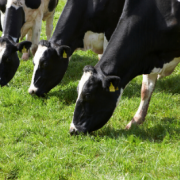
Turning cows out to spring grass is a major event in the annual dairy calendar. At this stage, there are many physiological changes taking place in the cow, such as recovering from the calving event and restoring optimum BCS to reaching peak milk yield. These changes are also occurring at a time when dry matter intake does not meet energy demands otherwise known as NEB (Negative Energy Balance) and the diet itself is constantly changing.

So, here are a few tips worth considering at turnout to grass:

  • Gradual Turnout. On/off grazing for a few hours per day for 2-3 weeks before full turnout, weather and ground conditions permitting, is of huge benefit, as it allows the microbes in the rumen to adjust from an indoor silage based diet to an outdoor grass based diet. This process normally takes about 3 weeks.


  • Dry Matter Intakes (DMI). Grass is a very useful feed but varies quite a lot in quality and at times quantity. The dry matter of the grass can range from well below 10% in spring to over 20% in summer. A cow would need to eat 100kg of fresh grass at 15% DM if she is to take in 15kg of grass dry matter. At 10% DM, she would need to consume 150kg fresh grass to achieve an intake of 15kg grass dry matter. The variation in grass DM has a major influence of BCS, fertility, milk yield and quality.


  • SARA (Sub Acute Rumen Acidosis). This is very common in spring calving herds on lush leafy spring grass. Lush leafy spring grass tends to have low levels of structural fibre (e.g. lignin,) and high sugar levels which impacts on rumen function which in turn leads to SARA. SARA will compromise milk yield, milk protein and fat percentages, while a prolonged period of SARA will negatively impact on fertility and BCS.


  • Fat and Protein. Spring grass contains high levels of unsaturated fatty acids which can negatively affect milk fat percentage. Spring grass will also contain high crude protein levels, particularly after fertilizer application. Excessive dietary crude protein will result in high urea levels in milk and blood which will also negatively affect BCS and fertility.


  • Buffer Feeding. Feeding a high energy, high dry matter forage, such as maize silage, will help counteract the variances of a grass diet in spring/early lactation. This will help to balance DMI and regulate rumen function.


  • Concentrate Feeding. As grass and a buffer feed, on their own, will not meet the nutritional demands of early lactation, it is necessary to feed a concentrate at grass. The concentrate (pellet or coarse ration) must compliment the grass. A pellet/ration with about 14-16%  crude protein ( 15% maximum for derogation purposes) with a highly digestible fibre content (sugar beet, soya hulls) and a good source of energy ( barley, maize) will be achieve this.  The diet must be balanced with the correct levels of minerals and vitamins, such as magnesium (for grass tetany), etc.


  • Monitor the cows. Throughout the grazing season, and particularly in early lactation, the cows should be regularly checked as changes in BCS, dung consistency, cudding rates, general health status, etc. can indicate an imbalance in the diet.


Further Information: 

To view more articles from our spring newsletter, please click here.

Get In Touch

For the most up to date information on our products and services, please click here or follow us on Facebook and Twitter.

Give your calves the best possible start

Author: John Bass – Business Development Manager 

Getting your calves off to the best possible start will have a huge impact on its growth, health, and longevity within the herd. The ultimate goal of calf rearing is to set up a heifer to achieve target weights such as doubling her birth weight at the point of weaning, achieving 60% of her mature weight at breeding, and calving down at 24 months at 90% of her mature body weight. To help you achieve such targets, we have put together a number of essential calf rearing protocols to follow over the next few vital weeks.

Colostrum Management

A calf’s first feed is no doubt the most important feed of its life. Ensuring a calf receives an adequate intake of quality colostrum preferably from its own mother will provide crucial antibodies and immunity from illness and disease.

  • Follow the 3:2:1 rule (3 litres, 2 hours, 1st milking). Colostrum deteriorates significantly within 4-6 hours after calving. Feed enough clean colostrum quickly to ensure that the calves receive high-quality colostrum. Intervene with a bottle feed if it has not suckled.
  • Keep colostrum clean; wash and sterilise all collecting buckets, dump buckets, and dump lines as you would wash your milking machine.
  • If storing colostrum in the fridge, do so at 4 degrees and for no longer than two days, as the absorption of antibodies will deteriorate thereafter.
  • Colostrum should be frozen in small packs to ease defrosting. To avoid damage to antibodies, ensure to defrost slowly on a low heat below 50 degrees celsius.

Milk replacer vs whole milk

Following on from the colostrum, the calf then moves onto transition milk. From day 2-3, it is advantageous to feed milk replacer over whole milk to help minimise disease spread and anti-bacterial resistance. The following guidelines should be followed:

  • Calves require approximately 13% of their body weight in feed intake in week one of life. This should be split between 2-4 feeds per day. In week two, this requirement rises to 15% of body weight equating to about 6L per day for a 40kg calf.
  • Like with whole milk, milk replacers need to be mixed and fed at the correct temperature (37-39 degrees Celsius) and correct concentration to ensure adequate nutrient intake.
  • Mix 125 grams to 850ml of water which provides a daily gain of roughly 700 grams (6L milk/day). Increase to meet demand if necessary.
  • Calves at 2-3 weeks of age have the potential to achieve 750-950 grams of live weight gain per day, with a minimum of 500 grams.
  • Feed conversion efficiency is almost at 1:1, so the quality of milk fed must be high to ensure the daily intake is providing enough nutrition to meet demand.
  • Milk powders vary and those based on either skim or whey are more favourable than those based on vegetable proteins – Dairy proteins are more easily absorbed and available to the calf compared to plant-based proteins.
  • Aim for powders with a minimum of 23% protein and 17% fat and below 0.1% fibre.
  • Buckets and feeders should be rinsed daily and sterilised 2-3 times a week.

Concentrates

  • Introduce a high-quality calf starter ration or nut from days 2-3.
  • Make sure it is high in cereal grains and highly palatable with no dust.
  • Intakes will be small, so keep quantities low and fresh.
  • Early intake of cereal-based feed will rapidly increase early rumen development and the growth of papillae on the rumen wall. As a result, this will increase nutrient uptake capacity of the calf throughout its life.
  • Failing to feed grain at an early stage will have drawbacks later in life. Aim to have calves eating 1kg at weaning.

Housing

  • A fresh straw bed is important for calf welfare. It will also encourage straw intake which will aid digestive development.
  • Ensure that calves have adequate feeding and resting space and that pens are well-drained and free from any breezes or wind.
  • Regular cleaning and liming are a must to avoid pathogens and scours.
  • Ensure there is constant fresh clean drinking water provided for calves and that feeders and drinkers are at an accessible height.

Further Information: 

To view more articles from our spring newsletter, please click here.

Get In Touch

For the most up to date information on our products and services, please click here or follow us on Facebook and Twitter.

Winter Crops Update

Author: George Blackburn


Conditions since the first week of October have been difficult to say the least, with heavy rainfall and very tight weather windows providing limited opportunities for sowing. The dry spell we were promised never really materialised but tillage farmers are a resilient bunch and in spite of the circumstances, a significant amount of winter plantings has been completed. We have had to adapt with a lot of the later crops being drilled with power harrow combination drills directly behind the plough.


Winter Oilseed Rape

Winter oilseed rape crops are looking good in general. Due to the late harvest, acres sowed aren’t massive but anyone that did risk the later plantings is pleasantly surprised. Many crops weren’t sowed till the 10th -15th of September which would traditionally have been seen as too late but there was plenty of moisture and warmth in the ground this year and crops have established very well. The use of hybrid varieties has worked well in the later planting slots and have proven their worth. Volunteer cereals have been an issue due to the difficult harvest conditions and most have been treated with a graminicide to tidy up volunteers. Pre emerge herbicide has worked well also with good chemical up take in the target weeds. Crops will need to be treated with a fungicide for light leaf spot and some foliar boron when at the 4-6 true leaf stage probably around mid-November. Crops that weren’t treated with pre emerge herbicide or that have grass weed issues will need to be sprayed with Kerb Flo or Astrokerb when temperatures drop below 12 degrees Celsius.


Winter Wheat

Plantings of winter wheat have increased significantly on last year with a mixture of early and later sown crops. The two main varieties sown are Graham and Costello. Many growers especially on more difficult soils took advantage of favourable conditions in late September. These crops have established excellently with almost 100% germination. Crops sowed in late September will be at risk of BYDV and will need an aphicide when at the 3 leaf stage and possibly a follow up treatment approximately a month later. Aphid counts are variable and we are still slightly in the dark as to the relative proportion of resistant aphids in the local population. The advice must be to err on the side of caution and avoid spraying with a pyrethroid insecticide until at least 3 true leaves on crops to minimise damage to beneficial insects that feed on aphids in the target population. Later sown crops were sowed in some marginal conditions and they will be at risk of slug damage so growers will need to keep an eye on the emergence of these crops. There is still time to sow wheat if conditions allow but be mindful to increase seeding rates as the season moves on. It is also prudent to ensure seeding depth is deeper than a crow’s beak at this time of year.


Winter Barley

Winter barley plantings are also up on the whole and many crops have been sowed into good quality seedbeds. There is a vast choice of winter barley varieties on the market this year with LG Casting, Valerie and Cassia two rows proving popular with the hybrid six row Belfry and 6 row conventional KWS Kosmos popular in more difficult fields. There was a limited supply of the new BYDV tolerant variety KWS Joyau to the market this year and we will wait with eager anticipation to see how this variety performs. Plant breeding and not chemistry may be our best weapons against plant pathogens in the future. As with the wheat similar advice applies for aphicide applications. Most crops were treated pre emerge with a combination of Flufenacet and DFF and this was very important for grass weed control. Any crops not treated will need to get a post emerge treatment of Tower and DFF before annual meadow grass tillers to control it. It is essential to treat winter barley for grass as soon as possible in Autumn as there is no spring treatment available anymore.


Winter Oats

Winter oat plantings are holding steady with the two main varieties of Isabel and Husky going in. Oats aren’t generally sowed till after the 10th of Oct so there is still plenty of time to plant Oats if conditions allow. They are both spring varieties planted in the winter so earlier sowing will present more problems than solutions with disease and growth regulation. Aim to plant oats at 12 stone 200 kg per ha at this stage of the season to insure a strong plant stand. Isabel is more suited to coastal areas as it has a very good rust resistance profile while husky is a hardier variety so will prove more suitable more inland where winter frost is a higher risk. Winter oats generally don’t require an Autumn herbicide but crops who may be in fields with annual meadow grass issues can be sprayed pre emerge with DFF @0.25L/Ha.


November Newsletter

To view our latest technical newsletter, please click here: Cooney Furlong Newsletter November

Get In Touch

For the most up to date information on our products and services, please click here or follow us on Facebook and Twitter.

 

Best practices when drying off cows

Author: Jack Scallan 


The time for drying off cows is fast approaching. Over the next few weeks, a number of issues must be looked at.


  • The length of the dry period for the herd in general and individual cows. First lactation cows and thin cows should be given 10 to 12 weeks dry, whereas about 8 weeks should be sufficient for the rest of the herd.


  • Body Condition Score (BCS) is an extremely important consideration. Ideally BCS should be 2.75 – 3.0 at drying off and 3.0 – 3.25 at calving. It may require supplementary feeding in late lactation and throughout the dry period to achieve these targets.


  • Test the quality of the forage available and, also, calculate the quantity available. This will have a major influence on what, and how much, is fed during the dry period. 68 to 70 DMD silage is adequate to maintain cows at the desired BCS.


  • The appropriate dry cow therapy used will be determined by the SCC (Somatic Cell Count) readings during the lactation. If the SCC is high, then an antibiotic treatment will be required by some or all of the herd. If it is low, a teat sealer only, or no treatment at all, may be necessary.


  • Well ventilated housing with enough cubicles and feed space to accommodate all of the cows must be ensured. Inadequate accommodation will have a negative effect on BCS and the cow’s wellbeing. Fresh clean water must be available at all times.


November Newsletter

To view our latest technical newsletter, please click here: Cooney Furlong Newsletter November

Get In Touch

For the most up to date information on our products and services, please click here or follow us on Facebook and Twitter.
 

Beef Feeding Focus – Top Tips to remember this winter

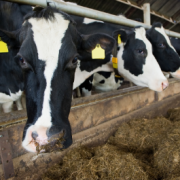
Getting the most efficient beef feeding regime to suit your farm and your animal’s needs is a battle every farmer faces. With winter just around the corner it’s important to remember a few key points:

Housing Beef Animals – make sure that all cattle have adequate, dry space to lie down with ample ventilation and airflow. It is important to match cattle of equal size and weigh in pens together to avoid bullying. Avoid overcrowding in pens also as both these factors will dramatically decrease live weight gain (LWG).  Shaving down the cattle’s back reduces body temperature therefore increasing feed intake.

Water – access to adequate clean water is vital. A beef bull at 300kg will drink between 25-30 litres of water per day. A 600kg beef bull will drink 30-60 litres per day and up to an additional 70 litres a day, depending on concentrates.

Dosing – a regular dosing programme is of key importance. Cattle should be dosed for worms 2 to 3 weeks prior to housing, this will minimise the risks of lungworms causing pneumonia. Cattle should also be dosed 3 to 4 weeks after housing for fluke, worms and lice.

Energy – energy intake is the determining factor in live weight gain in cattle. Energy is crucial and it’s important to choose a ration as high in energy as possible (i.e. as close to 1UFL as possible). High DMD silage, maize silage and beet can also be included. Depending on age a typical fattening diet will be very high in energy with an average protein of 13% across the diet, as maize and beet are low in protein it is necessary to bring up the protein to balance the diet. 20kg of beet is the equivalent to 4.5kg of concentrate. Maize and beet are low in phosphorus and protein, therefore it is important to supplement these in the diet.

Protein – there is a lot of confusion over what is the correct amount of crude protein to be fed to cattle. It is recommended to feed crude protein between 12%-14% depending on sex, breed and maturity rate for finishing cattle and 14%-16% for growing cattle. This seems quite low, but it is more important to get usable protein into the diet. Energy, Fibre and Protein are the 3 main constituents of the diet.

Fibre – lack of adequate fibre in the diet is often the reason we encounter problems such as acidosis, lameness and in extreme cases even joint ill. At least 10%-15% of the diet needs to be fibre. Ideally, silage should be at least 72 DMD for a finishing system. Chopped straw is considered a necessity in an ad lib diet. Optimal straw chop length is 30mm –50mm. Chopping straw will reduce feed sorting and wastage. Chopped straw aids to lower PH levels in the rumen and therefore stimulating digestion and optimising feed intake. A minimum of 1-2kg of straw is essential in any ad lib diet.

Feeding Rate – Diet changes should be gradually introduced over a 3-week time frame, to allow rumen microbes to adapt. Start at 3kg per head per day of concentrate or cereals and step it up by 1kg every 3 days, as long as cattle aren’t showing any sign of digestive disturbance, until you reach the desired maximum feeding level. A buffer or yeast is a good insurance in a diet but is no substitution for good management. Keeping a watchful eye for any digestive disturbances is essential. In general, the level of concentrates fed will depend on how fast you intend on finishing your cattle so typically fattening cattle will eat between 5-10kg concentrates per day or ad lib meal with straw for a fast finish. Growing cattle are generally fed 2kg per day or even less with silage at 70+ DMD. Concentrate can be reduced and maybe even cut down to zero with high quality silage a month or so before being turned out as weanlings, as weanlings will have compensatory growth when they hit the grass in spring.

Grass Silage Quality – Silage testing is vital in order to calculate the required concentrate supplementation. The level of concentrates that will need to be supplemented will vary depending on the DMD of the silage. With every decrease of 5 DMD an extra 1kg of concentrate supplementation is require. If for example you have a Charolais bullock with a target live weight gain of 1kg per day feeding 72 DMD silage you will require 5-5.5kg of concentrates per day supplementation. Whereas, if you had a poorer quality silage of 64 DMD, the concentrate supplementation would be as high 8.5kg. Silage testing allows you to provide the most economical and nutritional diet available.

Target Live Weight Gain – It is important to know what you are working toward, when choosing any diet. In a typical silage and meal diet, the table below shows targeted live weight gain.

October Newsletter

To view our latest technical newsletter, please click here: Cooney Furlong Newsletter October

Get In Touch

For the most up to date information on our products and services, please click here or follow us on Facebook and Twitter.

Calcium Agri Lime – The Backbone of Soil Fertility

The lime kilns dotted through the countryside are a testament to the hard work and dedication of how our ancestors cared for their soils. In an era before synthetic fertilisers – agri lime; farmyard manure, seaweed etc. were the only fertilisers available to farmers.

There was no such thing as soil sampling, but the benefits of liming soils were well regarded and considered essential to productive farming. So much so that 50 years ago we were spreading 1.6 million tons of lime. In 1983, we spread over 2 million tons. Since 1985, we have struggled to spread 1 million tons each year, until 2018, when over 1 million ton was applied. The consequence being, that over half of our soils are below the optimum pH for grassland and tillage.

In general, agri lime was spread 1 in 5, so 20% of farm was limed each year in rotation. The advent of regular soil testing has served to help us decide what we don’t need, and our decisions are based on cost and what we can get away with doing. Lime rather than being an investment, is seen as a cost and as it is a relatively low cost in comparison to synthetic fertilisers, it is seen as less beneficial and can be done without.

Lime is the backbone of any fertiliser program, a regular approach to spreading lime helps to spread the cost. €10 per acre spread over 5 years, is a small cost when the benefits are clearly visible and obvious. Low pH is usually to blame when fields are not performing as they used to or as you would expect.

In Wexford, most soils are predominately high in Magnesium, if this nutrient is in excess it has a greater bearing on the pH and will often be seen, as lime not required, as pH is deemed adequate. This soil is in fact deficient in Calcium. If your soil is deficient in Calcium, so are your crops and your animals. The direct consequence of this is more diseases and deficiencies in crops and conversely in the animals that eat them.

High Magnesium soils in Wexford are usually deficient in Calcium. Ironically, they can also be deficient in available Magnesium to the plant. We only ever worry about nutrients that are deficient. A nutrient in excess is as detrimental to crop growth, as one that is lacking. Another consequence of high Magnesium is that it blocks out Potash in the plant. On a high Mg soil, you will still need to apply Potash, even if index is showing ok.

There is only one lime needed in Wexford and that is Calcium lime (Calcium Carbonate). There are no limestone quarries in Wexford. Lime is predominately hauled from Kilkenny and Carlow. Coastal areas in south Wexford, in particular, are high in Magnesium due to presence of low-lying marine till. High levels of Magnesium in the soil cause it to stick together and become hard when it dries out. People often wonder why their light soil acts like a heavy soil, and this is the reason. Applying Calcium in the form of Calcium Carbonate or Gypsum (Calcium Sulphate) will raise the level of Calcium in the soil and conversely reduce the level of Magnesium. Even if the pH looks ok, you can still add Calcium lime in this situation. 1T acre is sufficient in this situation to add Calcium to the soil. This opens the soil, allowing it to breathe, soil biology to flourish and water to drain down through the soil profile more easily. High iron content is also a sign of a Calcium deficiency.

Wexford is one of the few areas in Ireland where liming decisions should not be based solely on pH level.

The levels of Calcium and Magnesium also need to be consulted and a course of action taken to correct them. The only way this can be done is through a comprehensive soil sample, measuring every nutrient rather than just pH P, K and Mg.

The benefits of liming land are well researched. For mineral soils, farmers should aim to maintain soils at pH 6.3 for grassland and 6.5 for tillage. Optimising the pH of grassland soils can increase the annual output of grass by at least 1tDM/ha which, according to Teagasc, is worth €181/tonne of grass dry matter (DM). Using lime alone can release up to 80kg of Nitrogen/ha per year from the soil for use by grass. In monetary terms this equates to a return on investment of 7:1. Now is the time to act on your soil samples and get lime spread on your land.


August Newsletter

cooney furlong newsletter

To view our latest technical newsletter, please click here


Get In Touch

For the most up to date information on our products and services, please click here or follow us on Facebook and Twitter.

Maximising Grass and Silage Growth

Over the past number of weeks, we have experienced very little grass growth due to a 75mm soil moisture deficit. Growth rates in this area dropped to around 30kg DM/ha which led to a lot of animals receiving a buffer feed. Luckily, we have got a welcome dash of rain over the past few days which in the presence of available nutrients has brought growth levels back up to 90kg DM/ha. As we are all starting from low farm covers, we need to maximise growth to deal with the recent shortfall of grass production. First cut silage has also been affected by drought conditions with 25-30% reduction in yields being reported locally. The quality of this first cut silage should be very good and most crops were saved in great conditions.

Grazing ground

Nitrogen N

Paddocks that have received nitrogen in the past few weeks should take this up now. Fields that have not been spread for over 3 to 4 weeks should get nitrogen immediately. The increased growth after the rain should enable 2 units a day to be taken up.

Phosphorous P

P is a key driver of growth, root development, and grass tillering. Available P will help stressed plants recover and promote water and nutrient uptake. In addition, it will promote grass tiller development to help swards recover after the dry spell. Therefore, apply low to medium rates of P in your next fertiliser application. Low index soils will require larger amounts of P depending on when they last received it. Earlier spring applications of P in low index ground will need to be topped up at this stage as P is locked up in these soils.

Potassium K

K has a major role to play in the uptake and regulation of water within the plant. Now more than ever sufficient levels of soil available and applied K will be essential for the plants to withstand drought and aid rapid recovery. K at sufficient levels will keep good quality leaf in the grass and stop it from droughting out, pushing up a seed head and going to stem. Stem has one third less feed value to the cow as green leaf.

Sulphur S

Sulphur increases the efficiency of N uptake which is very important at this time of the year. Sulphur aids in plant protein production and therefore grass that has sulphur will remain higher in protein and retain feeding quality later into the season. Sulphur should be a part of all fertiliser applications. In most cases an application of a compound containing N P K S will be the best solution to get farm covers back up where they need to be. Take the full advantage of the growth while we have it to build up much needed reserves.

Silage ground

The present damp dull weather makes it ideal for slurry applications. Most slurry spread during the dry spell will have lost all its nitrogen content. It is important to know your offtake when it comes to spreading your second cut silage, with each tonne of dry matter removing 25 kg (20 units) of N, 4 kg (3 units) of P, 25 kg (20 units) of K and 4 kg (3 units) of S. In low index P we must add 10 kg (8 units) per index lower than 3 and in low index K 30 kg (24 units) per index lower than 3. In general, we are low in sulphur so as a rule of thumb it is best apply 15 to 20 units per acre for your second cut. A 3 tonne DM/ha crop on an index 3, 3 will take 75N 12P 75K and 12 to 15 S out of your soil.


July Newsletter

To view our latest technical newsletter, please click here


Get In Touch

For the most up to date information on our products and services, please click here or follow us on Facebook and Twitter.


COVID-19 Customer Update

Due to the current COVID-19 restrictions, we have put measures in place to provide farmers and local communities with quality products and services.

Fodder and Sugar Beet Nutrient Considerations

Beet is one of the most cheapest energy sources, however like any crop, it requires heat, light, water and air in adequate amounts.

Preventing Sub-Acute Ruminal Acidosis (SARA) in dairy cows

Sub-Acute Ruminal Acidosis (SARA) is a commonly seen metabolic disease in freshly calved dairy cows at grass in springtime.