Author: Philip Kennedy – Area Manager (New Ross)
Reseeding is an essential part of any grassland farm and should be considered as a long-term investment, with newly reseeded swards typically lasting for at least 8–10 years.
Planning is essential and ideally, you will have areas marked for reseeding the previous autumn and have your field soil tested at this stage as it is a great opportunity to rectify the pH and the levels of calcium and magnesium in the soil.
When selecting your grass varieties, you must decide on what you intend to do with the field. E.g. grazing, cutting, or perhaps a dual-purpose sward. The Teagasc Pasture Profit Index (PPI) is a very useful tool to choose varieties suited to your individual needs. A good mixture of tetraploids and diploids with good early spring growth and the highest PPI is most desirable.
With the new derogation rules, clover must also be included in the grass seed mixture with a minimum of 0.6 kg/acre for standard clover seed or 1 kg/acre for a pelleted clover seed. Good free-draining soil will generally be sowed with 40-50% diploid and 50-60% tetraploid in the mix.
Destruction:
Old pastures should be sprayed off with a good glyphosate product at a rate capable of killing old weeds and scutch grass (couch grass). Bentgrass can be difficult to control due to its slim leaf, and max glyphosate rates will be required to control it effectively. This can also be done on silage ground and the old crop can be cut after 7 to 10 days and ensiled (after this period your forage value will be greatly reduced). This is a good way of getting low levels of sods to deal with, especially when using non-inversion system. A further 10 days after cutting may be required to allow roots to die off. A minimum of at least 5 to 7 days will be required to let glyphosate work before ploughing.
Lime:
Reseeding is an ideal time to apply lime and work it into the soil. Aim for a pH of at least 6.3 as new seeds will not survive in a low pH soil. Even if the field has received lime a few years ago, it will still need to be required to deal with the rise in acidity due to the decaying old pasture.
Choose your rate and type of lime (calcium/magnesium) from your soil sample advice. In general, 1 to 2 tonnes will be required. If there is no lime required on your sample, it is still best to use 1 tonne of ground limestone per acre or some granulated lime to deal with the rise in acidity as the old pasture decays.

Fertiliser:
When it comes to fertiliser, it is important to consult your soil samples. Some chemical Phosphorous (P) is essential in all reseeds, even in a high index situation due to small roots not being able to get P (Nitrates directive will allow chemical P to be used even on a high index when reseeding). The P in slurry or FYM won’t release quickly enough for a reseed. Typically, 3 bags of 10-10-20 per acre will be used. In a low index P and Potassium (K) situation, up to 4.5 bags of 10-10-20 will be required. Once grass seeds are up, apply 40 to 50 units of Nitrogen (N) plus Sulphur (S) per acre to drive them on as the undeveloped root system will be unable to forage for organic nitrogen.
Seedbed:
A fine firm seedbed with no sods and good seed to soil contact is essential for a successful reseed. The field should also be leveled correctly. If direct drilling, it is essential to apply lime, as this method ideally needs soil moisture to work best. A perennial ryegrass mix should be sown at 14 kg per acre, plus the clover.
Rolling:
Rolling is one of the more important stages of the reseeding process and may often be the difference between a great and a poor result. A heavy flat roller that is driven slowly gives the best results. Rolling holds in moisture, ensures good soil seed contact, and reduces the risk of frit fly, slugs, and leather jacket issues.
In general, if there is a lot of grass visible under the tractor wheels and the double-rolled headlands, you haven’t rolled the field well enough. Consider rolling the field twice in dry conditions or at least before and after sowing. In permanent pasture, a ring roller is not heavy enough. Rolling between harrow runs is also recommended.
Pests:
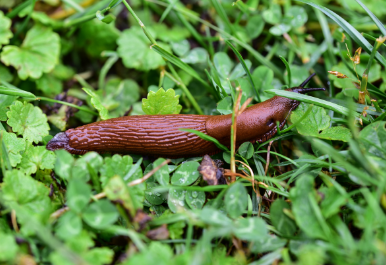
Leather jackets, slugs, and frit fly are the main pest issues we encounter with a new reseed and the field should be monitored regularly during the first few weeks. Slugs are a big problem in wet conditions and can normally be found underneath large stones or sods. Putting out slates or bags with stones on top of them can be useful to check on the slug population as they will hide underneath these.
Weed Control:
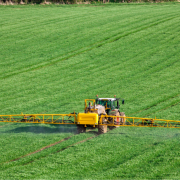
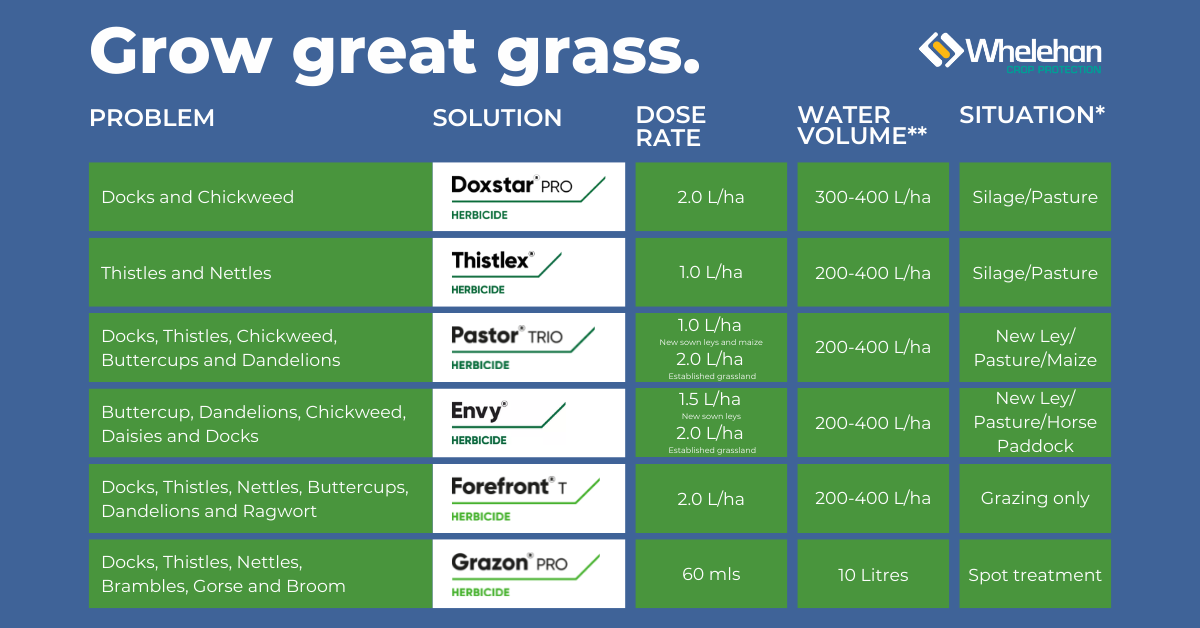
This is the best time to control weeds especially docks and chickweed while they are still small. Aim to spray weeds 5 to 6 weeks after sowing when they are very young. Where clover is present, you must have at least 2 to 3 leaves on the grass before a herbicide can be applied to avoid damage.
A large range of non-clover safe products are available and there are also a couple of clover safe products available.
Grazing:
It is best to graze a new reseed as opposed to cutting as this best promotes tillering. Take out at a low cover to allow light into weaker tillers etc. Be sure not to graze too bare; if roots can be pulled up by the animals, it is best left until the plants are well anchored in the ground.
Stitching in without spraying off:
A tired sward can be rejuvenated by stitching in with a direct drill. Aim to sow 8 to 10 kg of tetraploids per acre as they have proven to be more vigorous. Graze the field every 10 to 12 days to allow light into the new seeds. Rolling and fertiliser should also be used in this situation and granulated lime or ground limestone should also be applied as per test.
Multi-species Mixture:
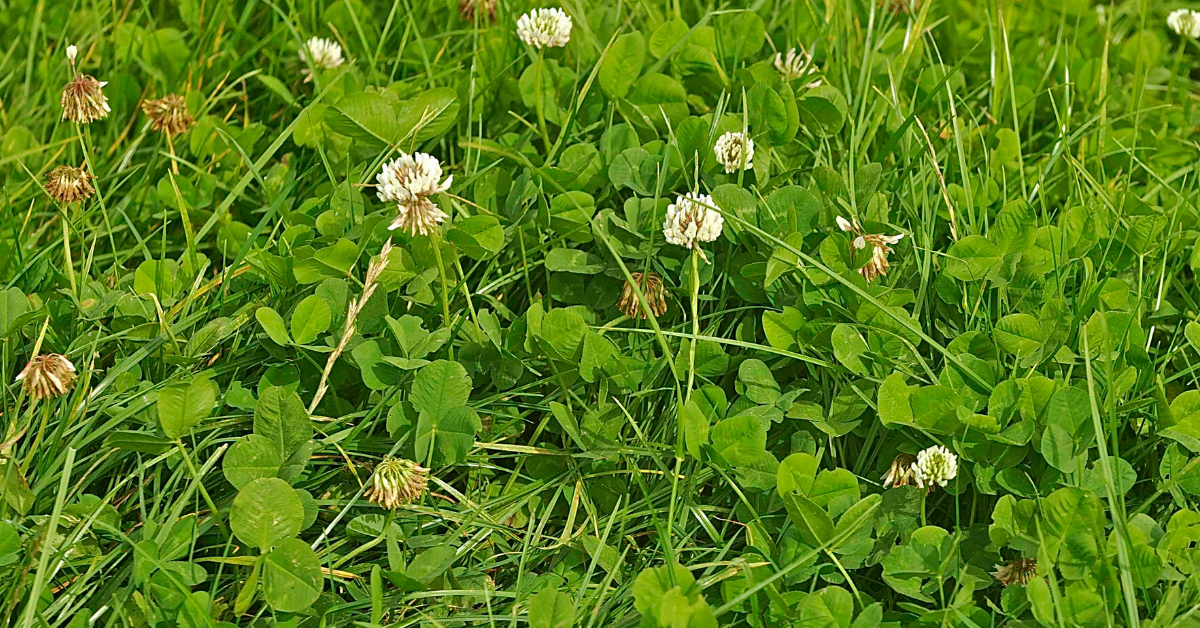
A multi-species mixture combines four species including nitrogen-fixing and nitrogen-lifting types, offering significant benefits to sheep, beef, and dairy farmers, particularly in low input systems. The deep rooting species such as perennial chicory and plantain means nutrients are taken up from a different part of the soil profile than is the case with shallower rooting ryegrasses. Having a range of different species will also mean multiple sources of protein, energy, and minerals, presenting a more complete nutritional profile to the grazing animal.
Other benefits of multi-species swards include; improved soil structure, increased drought resistance, greater animal performance (increase in milk solids), and reduced levels of internal parasites. One of the major disadvantages to multi-species swards is the lack of weed control options. Many of the present weed control options will kill out the likes of chicory and plantain.
There is a large range of different grass seed mixtures available and a bespoke grass seed mixture can be made on request to adapt to your unique soils or enterprises. Our Cooney Furlong farm representatives are available to discuss your specific requirements.
Further Information:
To view more articles from our summer newsletter, please click here.
Get In Touch:
For the most up to date information on our products and services, please click here or follow us on Facebook and Twitter.